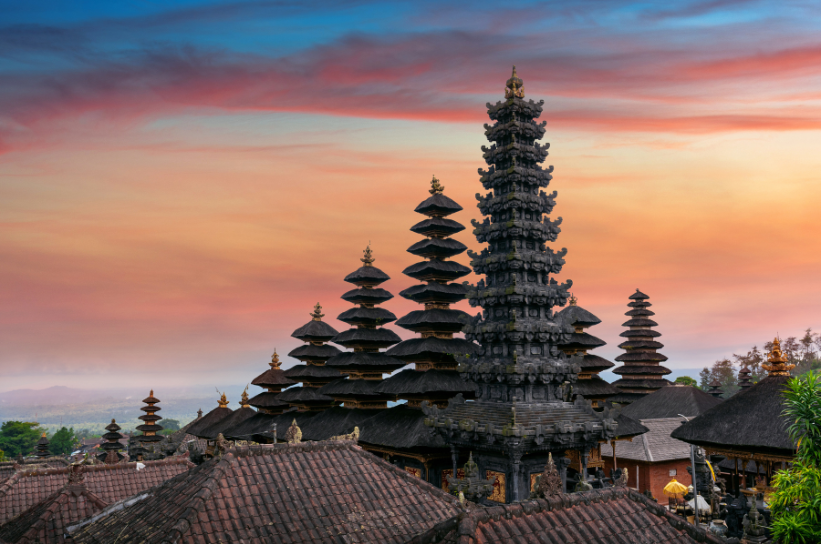
Balinese Tradition – Bali is often celebrated for its breathtaking beaches, lush rice terraces, and luxurious resorts. However, beyond its picturesque landscapes lies a cultural heritage that has remained remarkably vibrant for centuries. The heart of the island is shaped by Balinese Tradition, a unique blend of spirituality, community values, artistic expression, and daily rituals that define the rhythm of life across Bali.
Unlike many tourist destinations where traditions are preserved primarily for cultural performances, Balinese Tradition continues to influence everyday life. From the small offerings placed outside homes every morning to elaborate temple festivals attended by entire villages, culture is not merely observed—it is actively lived.
For travelers seeking a deeper understanding of Bali, exploring its traditions offers a far richer experience than simply visiting popular attractions. It provides insight into the island’s identity and the values that have allowed its cultural heritage to thrive for generations.
Understanding the Meaning Behind Balinese Tradition
At its core, Balinese Tradition reflects harmony between humans, nature, and the spiritual world. This philosophy is deeply rooted in Balinese Hinduism and guides nearly every aspect of daily life.
One of the fundamental concepts is Tri Hita Karana, which emphasizes three essential relationships: harmony with God, harmony among people, and harmony with the environment. Rather than existing as an abstract philosophy, these principles are visible throughout the island in daily customs, architecture, ceremonies, and community life.
Visitors often notice temples standing beside homes, offerings decorating sidewalks, and religious ceremonies taking place unexpectedly throughout the day. These are not special events arranged for tourists—they are simply part of normal life.
Understanding this philosophy allows travelers to appreciate Bali beyond its scenic beauty and recognize why the island feels spiritually unique.
Daily Offerings That Reflect Gratitude
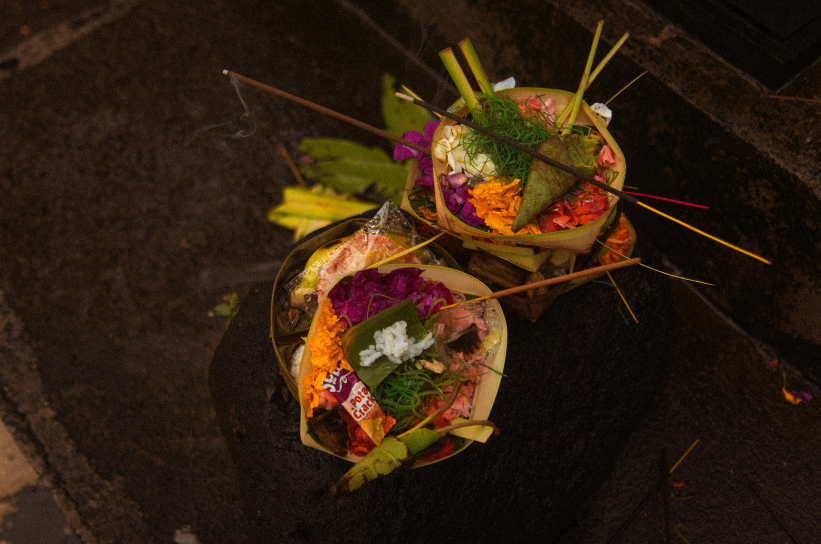
One of the most recognizable symbols of Balinese Tradition is the Canang Sari, a small handmade offering woven from coconut leaves and filled with flowers, rice, incense, and symbolic items.
Every morning, Balinese families prepare and place these offerings outside homes, shops, temples, restaurants, and workplaces. The ritual serves as an expression of gratitude, respect, and balance rather than a request for material blessings.
Although the offerings may appear simple, preparing them requires patience, consistency, and devotion. For many families, this ritual has been passed down through generations and remains an important daily responsibility.
Visitors should be mindful when walking through Bali, as stepping on freshly placed offerings is considered disrespectful, even if done unintentionally.
Sacred Temples at the Center of Community Life
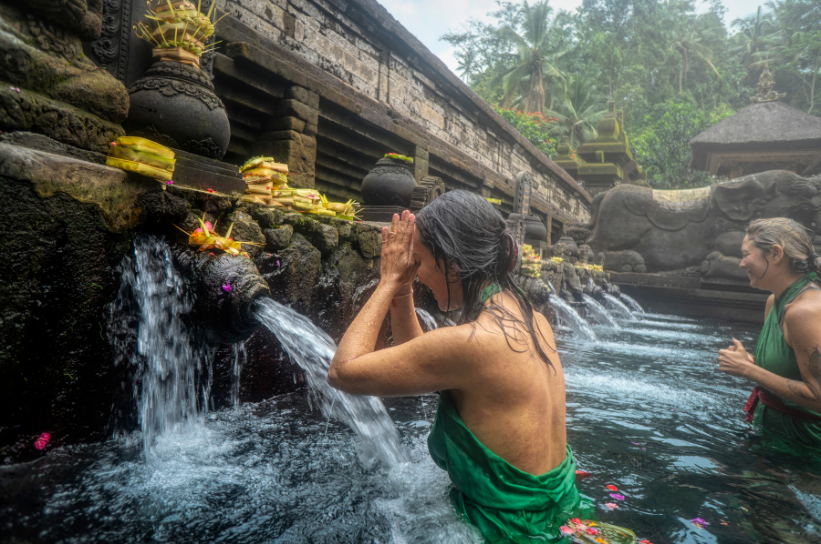
Temples play a central role in preserving Balinese Tradition.
Unlike historical monuments that function mainly as tourist attractions, Balinese temples remain active places of worship where ceremonies are held throughout the year. Each village typically has several temples, each serving a different religious purpose.
Major temple festivals attract entire communities dressed in traditional white clothing while carrying beautifully decorated offerings. Music from the gamelan orchestra accompanies prayers, creating an atmosphere that combines spirituality, artistry, and social connection.
Even visitors who are not participating in ceremonies often find these events to be among the most memorable cultural experiences in Bali.
Respectful behavior, modest clothing, and adherence to local customs are essential when visiting temples.
Traditional Ceremonies Throughout the Year
Another fascinating aspect of Balinese Tradition is the island’s rich ceremonial calendar.
Rather than following only the international calendar, Bali also observes its own traditional calendar, resulting in numerous religious celebrations throughout the year.
Some of the most significant include:
- Galungan
- Kuningan
- Nyepi (Day of Silence)
- Saraswati
- Pagerwesi
Each celebration carries unique spiritual meanings and involves specific rituals, prayers, decorations, and community gatherings.
For travelers, witnessing these ceremonies offers an authentic glimpse into Balinese culture that extends far beyond sightseeing.
The Importance of Family and Community
While Bali attracts millions of international visitors every year, local communities continue to prioritize family relationships and collective responsibility.
Community organizations known as Banjar remain one of the strongest pillars of Balinese Tradition.
Members regularly work together to prepare ceremonies, maintain temples, organize festivals, and assist families during important life events.
This strong sense of cooperation reflects the Balinese belief that individual well-being is closely connected to the well-being of the community.
As a result, visitors often notice an atmosphere of friendliness and hospitality that feels genuine rather than commercial.
Traditional Arts That Tell Spiritual Stories
Art is inseparable from Balinese Tradition.
Dance, sculpture, wood carving, painting, and music are not simply forms of entertainment but important expressions of religious devotion and cultural identity.
Classical dances such as Legong, Barong, and Kecak often portray stories from Hindu epics like the Ramayana and Mahabharata.
Similarly, traditional gamelan music accompanies many ceremonies and performances, creating an immersive cultural experience through rhythmic percussion and melodic instruments.
Across the island, local artisans continue producing intricate handicrafts using techniques passed down through generations, ensuring these artistic traditions remain alive.
Traditional Architecture Reflects Spiritual Balance
The design of Balinese homes and temples follows philosophical principles that emphasize harmony and balance.
Rather than constructing one large building, traditional family compounds consist of several separate structures arranged according to sacred spatial concepts.
Each area serves a specific function, including family shrines, sleeping quarters, kitchens, gathering spaces, and ceremonial areas.
Natural materials such as volcanic stone, wood, bamboo, and thatched roofs further strengthen the connection between architecture and the surrounding environment.
This thoughtful approach to design demonstrates how Balinese Tradition extends beyond religion into everyday living spaces.
Respecting Local Customs as a Visitor
Experiencing Balinese Tradition becomes far more meaningful when travelers approach local customs with respect.
Simple etiquette can make a significant difference, including:
- Wearing appropriate clothing when entering temples.
- Avoiding interruptions during religious ceremonies.
- Asking permission before photographing local people.
- Not touching sacred offerings.
- Following guidance provided by local communities.
These small acts of respect help preserve Bali’s cultural heritage while creating more positive interactions between visitors and residents.
Travelers who embrace local customs often leave the island with a deeper appreciation of its unique identity.
Why Balinese Tradition Makes Bali Truly Unique
Many destinations offer beautiful landscapes, luxury accommodations, and exciting activities.
What distinguishes Bali is the way its culture remains deeply integrated into everyday life.
Whether hearing temple bells at sunrise, watching families prepare ceremonial offerings, or witnessing colorful religious processions through village streets, visitors quickly realize that Balinese Tradition is not a performance created for tourism.
Instead, it is a living cultural system that continues to shape the island’s identity while welcoming modern influences.
This authenticity creates meaningful travel experiences that remain memorable long after the vacation ends.
Conclusion
Balinese Tradition is the soul of Bali, transforming the island into far more than a tropical destination. Through sacred rituals, community values, traditional arts, temple ceremonies, and everyday expressions of gratitude, Bali offers travelers an opportunity to experience a culture that remains deeply rooted in its spiritual heritage.
For anyone seeking more than beaches and luxury resorts, discovering Balinese Tradition provides a richer perspective on the island and reveals why Bali continues to inspire visitors from around the world. By approaching these customs with curiosity and respect, travelers can build a genuine connection with one of the world’s most enduring and fascinating cultures.